

Copyright ©
Social Learning & Group Participation
Social learning is a natural part of the Lights of Wonder environment. Learners practice communication, collaboration, and participation skills within small, supportive groups, guided by predictable routines and shared expectations.
Social‑learning experiences include guided practice in:
Communicating within group settings
Turn‑taking and cooperative work
Perspective‑taking and collaborative problem‑solving
Navigating peer interactions respectfully
Participating in shared routines and activities
Executive Function Skill Development
Executive‑function skills support how learners plan, organize, manage time, and engage with learning experiences. At Lights of Wonder, these skills are developed through structured routines, clear expectations, and guided practice, rather than through therapeutic intervention.
Learners are supported in developing skills such as:
Planning and organizing tasks and materials
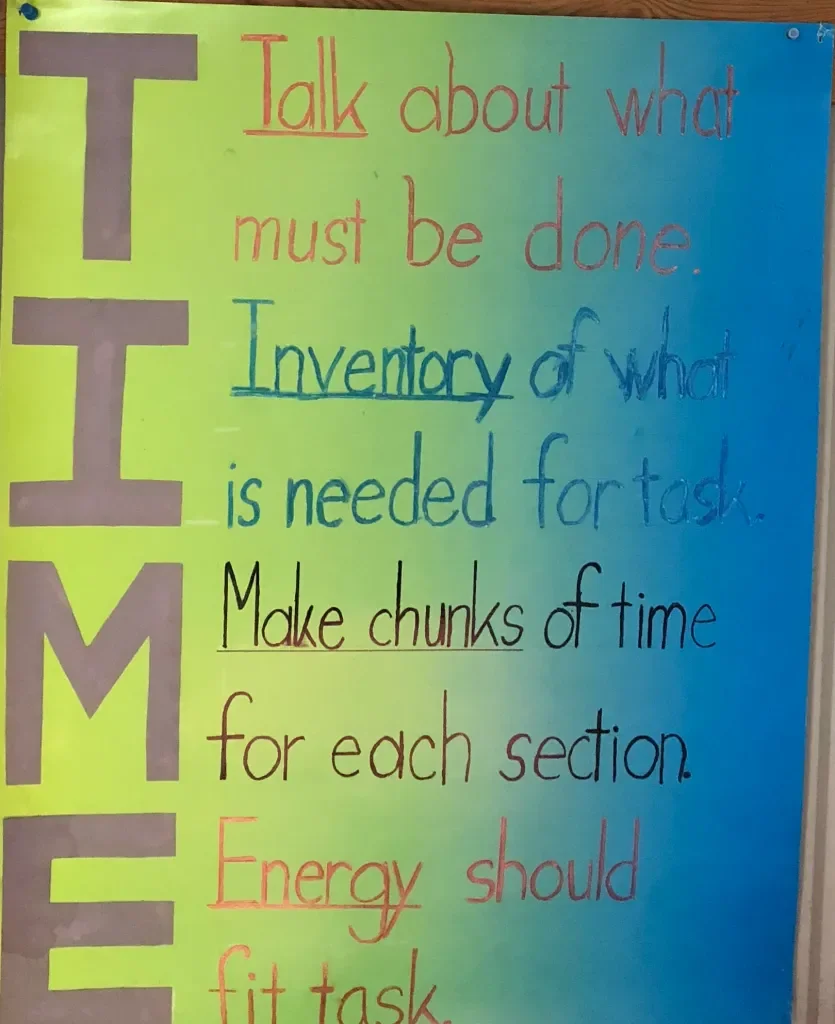
Managing time, transitions, and work periods
Initiating tasks and following through
Using visual supports, checklists, and schedules
Reflecting on routines and learning strategies
Animal‑Supported Learning Experiences
At Lights of Wonder, the presence of animals is used as an educational and relational support, integrated thoughtfully into the learning‑center environment. These experiences are designed to encourage engagement, communication, and connection in natural, developmentally appropriate ways.
Animal‑supported learning experiences may include opportunities for learners to:
Engage in communication and interaction through shared attention and gentle connection with animals (such as dogs or cats)
Develop calm, coordinated movement through shared routines and mindful interaction
Build confidence and connection, supporting moments of increased communication and participation
Experience co‑regulation through predictable, soothing interactions within a structured environment
These experiences are offered as part of the learning environment and daily rhythm, not as therapy or clinical intervention.
Mind Management & Learning Supports
At Lights of Wonder, learners are supported in developing practical skills that strengthen focus, organization, and participation in everyday learning experiences. These supports are offered through guided learning routines, structured tools, and supportive environments, rather than therapy or clinical intervention.
Areas of focus include:
Executive Scaffolding
Learners are supported through clear structures, visual supports, and step‑by‑step guidance that help them engage with tasks independently and confidently.
Time Awareness & Planning
Support is provided in managing time, pacing work, and navigating transitions using schedules, timers, and predictable routines.
Memory & Recall Strategies
Learners are introduced to practical strategies for remembering instructions, routines, and information through repetition, visuals, and meaningful application.
Assessment Readiness & Demonstrating Learning
Learners are supported in preparing for and approaching assessments or evaluations in their primary educational settings by practicing organization, focus, and task completion skills in a low‑pressure environment.
Respectful & Inclusive Community Practices
Lights of Wonder promotes a bully‑free, respectful environment grounded in shared expectations, dignity, and positive peer interactions.
Organization of Materials & Work
Learners practice organizing materials, tracking tasks, and maintaining learning spaces that support independence and follow‑through.
Math Learning Support
Guided support is provided to help learners engage with math concepts from their primary programs using structured routines, visual tools, and hands‑on approaches where appropriate.
Social Learning Skills
Learners build communication, cooperation, and participation skills through small‑group experiences, shared routines, and guided reflection.